How Seattle’s Food Scene Changes With the Seasons
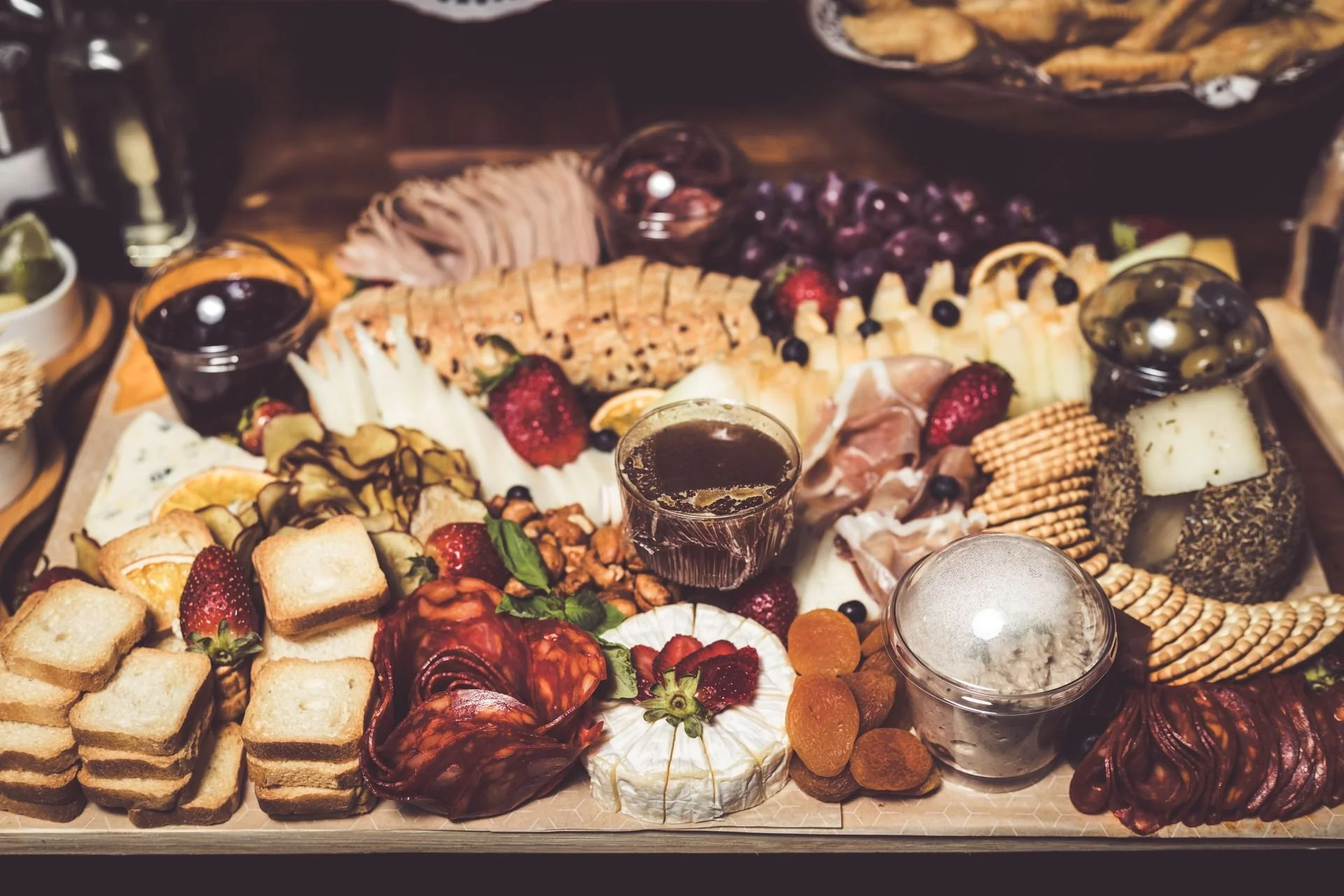
A bowl of creamy chowder feels right on a rainy January afternoon, while fresh berries and grilled salmon belong naturally to a bright July evening. That contrast helps explain how Seattle’s food scene changes with the seasons. Restaurants, markets, and home kitchens respond to what is growing, what is coming from local waters, and what people want to eat in the city’s shifting weather. Spring brings lighter ingredients and fresh greens, summer fills markets with fruit, and fall leads into the richer flavors of the colder months.
What Arrives on Seattle Menus in Spring?
Spring brings a gradual return to brighter, fresher cooking. Chefs start moving away from the heaviest winter dishes while making room for greens, herbs, mushrooms, and other ingredients associated with the Pacific Northwest.

Seafood remains important throughout the year, but spring offers another opportunity to appreciate Seattle seafood staples alongside lighter seasonal flavors. Salmon, oysters, clams, and other local favorites can appear with fresh herbs, vegetables, and sharper sauces rather than the richer preparations common in winter.
Spring menus may highlight:
Fresh greens, herbs, and tender vegetables
Pacific Northwest seafood with lighter accompaniments
Wild or cultivated mushrooms
Rhubarb and early-season fruit desserts
Simple dishes built around farmers market ingredients
This is also when farmers markets begin showing more variety. Seattle has several markets that operate throughout the year, while additional neighborhood markets become active as the warmer growing season begins.
Why Does Summer Feel So Different?
Summer turns eating in Seattle into a more spontaneous experience. Long daylight hours encourage outdoor dining, market visits, picnics, and meals built around ingredients that need very little preparation.
By early and midsummer, berries, cherries, peaches, and other fruits become easier to find at local markets. Later in the season, tomatoes, apples, pears, and similar produce begin taking more space on vendor tables.
Summer is also a great season for exploring Seattle's best vegetarian restaurants,since fresh produce gives chefs more room to build dishes around vegetables rather than treating them as side items.

Which Foods Stand Out in Summer?
Summer rewards simple preparations because the ingredients can carry the meal themselves. Expect menus and market baskets to lean toward:
Berries, cherries, peaches, and stone fruit
Tomatoes, cucumbers, and crisp vegetables
Grilled fish and seafood
Fresh salads and grain bowls
Fruit-forward pastries, ice creams, and desserts
This abundance is one of the clearest ways Seattle’s food scene changes with the seasons. Summer dining often feels less about warmth and comfort and more about freshness, texture, and eating outdoors while the weather allows it.
What Changes When Fall Arrives?
Fall brings deeper flavors without immediately abandoning fresh produce. Apples, pears, squash, mushrooms, and root vegetables begin to replace the delicate ingredients that dominated summer menus.
Restaurants can start roasting, braising, baking, and fermenting more often. Earthy mushrooms work well with pasta and grains, while squash appears in soups, sides, and filled pastas. Apples move easily between sweet desserts and savory dishes.
Fall favorites often include:
Roasted squash and root vegetables
Apples and pears in sweet or savory dishes
Wild mushrooms and hearty greens
Slow-cooked meats and richer sauces
Warm pastries flavored with seasonal fruit and spices
Fall is also when Seattle’s rainy reputation starts influencing appetite again. People spend more time indoors, and restaurants can shift toward dishes designed to feel warming rather than refreshing.
The transition naturally introduces some of the comfort foods that define winter including soups, stews, baked dishes, noodles, and seafood served in richer preparations.
Why Is Winter Food in Seattle So Comforting?
Winter food in Seattle feels comforting because the city leans into warmth, depth, and ingredients that hold up through cold, wet months. Hardy greens, storage vegetables, mushrooms, and preserved foods take over from summer's berries and stone fruit. Visit Seattle notes that local restaurants keep cooking with overwintered produce and preserved ingredients, while many Pacific Northwest chefs use pickling and fermentation to stretch short harvests.
For diners, that means steaming bowls of ramen, clam chowder, roasted root vegetables, and rich seafood dishes. Coffee shops and bakeries feel especially inviting when dark afternoons and steady rain make a warm drink part of the meal. Neighborhood markets give newcomers an easy way to learn these seasonal rhythms. Columbine Moving and Storage suggests building small weekly rituals, like a market visit, to feel at home faster after a long-distance move.
Do Farmers Markets Matter Year-Round?
Yes. Seattle’s farmers markets make seasonality much easier to see because shoppers can watch the available ingredients change throughout the year.
Pike Place Market operates year-round, while several neighborhood farmers markets also continue through every season. Other markets run primarily during warmer months or add harvest and holiday dates later in the year.
A market visit can therefore give a clearer picture of the season than a supermarket aisle. Strawberries may dominate one month, tomatoes another, and winter squash the next. Restaurants working closely with local growers often follow a similar rhythm.
How Can You Eat More Seasonally in Seattle?
Eating seasonally does not require memorizing a produce calendar. One of the easiest approaches is simply to notice what appears repeatedly at markets and on restaurant specials.
Ordering a seasonal dish can also push you beyond familiar choices. Instead of looking for the same meal every month, try whatever local vegetables, seafood, fruit, or mushrooms are receiving the most attention at that moment.
Seasonal eating is especially rewarding in Seattle because the city sits between productive farmland and the waters of the Pacific Northwest. Ingredients from both environments help shape what appears on plates throughout the year.

Seattle Tastes Different in Every Season
Part of the appeal of eating in Seattle is that there is no single menu that defines the city all year. Spring introduces fresher flavors, summer brings an explosion of produce, fall turns toward mushrooms and roasted ingredients, and winter makes room for warming dishes.
Understanding how Seattle’s food scene changes with the seasons makes exploring the city more interesting. Instead of searching only for famous restaurants or signature dishes, pay attention to what is freshest right now. The best Seattle meal may depend as much on the month as the neighborhood.