Pacific Northwest Comfort Foods That Define Winter
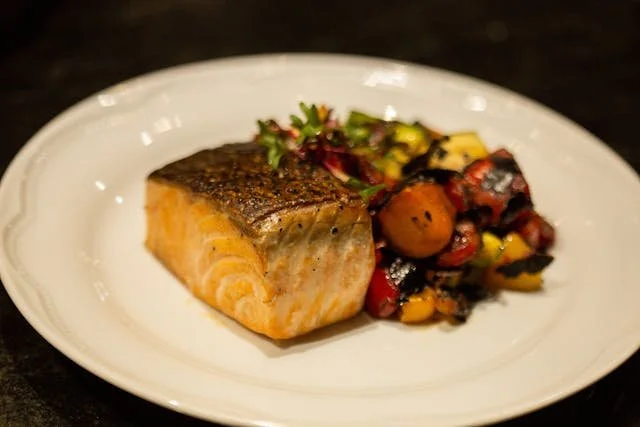
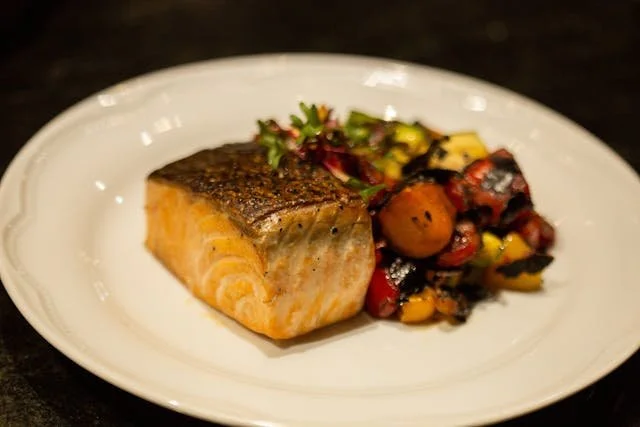
Grilled salmon served with roasted vegetables on a white plate, representing classic Pacific Northwest comfort foods
Winter brings steady rain, cool winds, and long nights to this region. Many people turn to warm and grounding dishes that also reflect the culture of the area. Pacific Northwest comfort foods give steady warmth and calm during months when routines feel heavier, and daylight fades early. These dishes support simple cooking and strong flavor while staying true to their regional roots, and encourage eating local food as a steady part of winter life.
Pacific Northwest Comfort Foods: Warming Plates Rooted in Place
The region stretches across coastal towns, river valleys, forested hills, and inland farming communities. Winter food traditions grow from these different environments. Dishes remain practical and steady. Home cooks often rely on ingredients that hold up well during colder months or offer strong, natural flavor without long preparation. This practical style shapes meals across Washington, Oregon, and nearby areas.
Salmon Chowder: A Winter Staple Across the Region
Salmon chowder stands as a classic winter dish. Many families use fresh or smoked salmon, depending on what is available. Potatoes, onions, herbs, and milk or broth build a thick and warm base. Each bowl offers comfort on dark evenings or slow Sunday afternoons. Coastal cities such as Seattle and areas near Astoria keep strong ties to salmon fishing, and these traditions influence this dish. The regional focus on fresh brunch spots in Seattle highlights these local flavors. People treat salmon with respect and cook it in ways that highlight its flavor rather than hide it.
Some cooks prepare lighter chowders with fewer dairy ingredients. Others make a richer version that supports long, cold days. Each version offers warmth that feels honest and grounding. It works for weeknight dinners or weekend gatherings.
Dungeness Crab: A Cold-Season Favorite With Bold Flavor
Dungeness crab season peaks during colder months, making winter a prime time to enjoy it. Fresh crab has a clean flavor that stands out in simple dishes. Many home cooks prepare crab cakes, pasta with butter and herbs, or warm crab dips for holiday gatherings. Crab mac and cheese has become a popular comfort dish because it adds seafood depth to a classic meal.
These recipes reflect strong coastal traditions and fishing communities that depend on well-managed crab harvests. Winter weather may influence how often people head to coastal markets, but the reward feels worth the effort. Each crab-centered meal feels special yet approachable.
Marionberry Pie and Other Comforting Baked Goods
Marionberry pie brings color and warmth to winter tables. The berry, an Oregon favorite, grows well in the region’s climate. During summer, many families freeze berries to use in winter pies and crisps. When baked, marionberries create a deep purple filling with a steady sweetness and light tart flavor. The warm aroma fills kitchens during holiday gatherings or quiet snowy mornings.
Other comforting baked goods also stand out during winter. People often prepare apple cakes, maple bars, or spiced loaves. These familiar treats make long evenings feel more pleasant and give families simple rituals during cold months.
Hearty Stews and Root Vegetable Dishes
Root vegetables remain essential during winter because they store well and stay firm even as temperatures drop. Carrots, potatoes, squash, and parsnips support many warm dishes.
Stews simmer on stovetops for hours, allowing tough cuts of meat to soften and vegetables to release natural sweetness. These meals stay budget-friendly and offer steady nourishment.
Vegetarian dishes shine as well. Lentil soups, roasted squash bowls, and barley stews help people stay full while keeping simple cooking steps. These foods connect directly to the soil and farms across the region.
Where Tradition Meets Practical Winter Cooking
Pacific Northwest comfort foods carry strong ties to Native food practices, early settlers, fishing culture, and farm-centered communities. Winter dishes reflect careful resource use and respect for ingredients.
People choose recipes that support long, cold evenings without unnecessary effort. Many meals use seasonal produce or preserved foods such as smoked fish, canned berries, or frozen vegetables. These traditions continue to shape modern winter cooking.
Why These Foods Matter During Relocation
Cold days bring more challenges during winter, and many people adjust their routines to stay steady through long stretches of dark, wet weather. Warm meals such as salmon chowder or hearty stew help families stay grounded while they manage daily tasks. These foods feel even more supportive during periods when cold days bring more challenges, especially if you are moving in winter to the Pacific Northwest, since seasonal weather and shifting schedules can make daily life feel heavier.
Pacific Northwest comfort foods also encourage connection. Families pass down recipes that carry stories and memories, giving winter months something familiar to hold onto.
Hot Drinks and Warm Breakfasts That Shape Winter Mornings
Winter mornings require steady warmth, and the region’s drinks help set the tone for the day. Many households start with strong coffee from local roasters. Others enjoy hot cider made with regional apples or herbal tea that supports calm mornings.
Breakfast often leans toward hearty dishes. Warm oats with apples and nuts give energy for cold commutes. Sourdough toast, often made from starters shared among friends, adds a personal touch to the first meal of the day. These small routines help people stay steady during long stretches of grey weather.
Regional Seafood Dishes That Continue Through Winter
Seafood remains central to winter cooking. Clam chowder appears in many households and local restaurants. Mussels, oysters, and smoked fish also support quick dinners when days feel short.
Some families prepare oyster stew during holiday gatherings. Others keep smoked salmon ready for simple meals that still feel warm and nourishing. Each dish reflects the region’s close relationship with coastal waters and long-standing fishing practices.
Expanded Look at Winter Vegetables, Herbs, and Pantry Staples
Winter meals rely on more than seafood and baked goods. Pantry staples such as beans, barley, and rice support simple yet filling dishes. Herbs such as rosemary, thyme, and sage stay strong during colder months and add fresh aroma to soups, stews, and roasted vegetables.
Many households plan winter cooking around what they can store well. Potatoes stay firm for months. Squash holds flavor and texture with ease. Onions and garlic provide the foundational aroma for countless dishes. These simple ingredients guide winter cooking habits and help people stay organized through the season, especially in kid-friendly kitchens where easy, dependable ingredients make daily meals less stressful.
Final Words: Winter Feels Fuller With Pacific Northwest Comfort Foods
Pacific Northwest comfort foods create steady warmth and grounded routines during winter. These meals highlight seafood traditions, local produce, and simple home cooking. They help households enjoy slower days and keep meaningful traditions alive during long, cold months. As winter continues, these dishes bring people together and offer comfort in every bowl, plate, or warm mug.